

Emface TMJ Treatment: A Breakthrough in Relief Now FDA-Approved — Changing Everything for Patients at Lifestyle Dentistry
Everything for Patients at Lifestyle Dentistry
If you’ve been experiencing TMJ pain, you know how much it can affect your day: the jaw stiffness in the morning, the headaches that come out of nowhere, the clicking when you chew, the muscle spasms that travel into your temples, or the familiar ache that shows up every evening after a stressful day. TMJ isn’t just a “jaw problem”—it’s a whole-body interruption.

Millions of people struggle with temporomandibular joint (TMJ) disorders, and most spend years bouncing between treatments that only offer temporary relief. Mouth guards help a little, physical therapy helps some people, and ice packs, soft foods, or muscle relaxants can take the edge off, but none of those truly retrain the jaw muscles that keep pulling you back into discomfort. Unlike these traditional options, Emface offers functional improvement by addressing the underlying causes of TMJ dysfunction, not just the symptoms.
And that’s exactly why this new development matters so much.
Emface TMJ treatment has now been FDA-cleared to treat TMJ dysfunction—making it the first technology of its kind to offer real, muscle-focused relief without surgery or needles. This innovative technology sets Emface apart from traditional TMJ treatments by providing advanced, non-invasive care.
At Lifestyle Dentistry, we’re incredibly excited to bring this breakthrough treatment to our patients here in the Smyrna-Vinings community.
Introduction to the Temporomandibular Joint: The Foundation of Jaw Health
The temporomandibular joint (TMJ) is the hinge that makes your jaw move—literally. This small but powerful joint connects your lower jaw to your skull, giving you the ability to talk, chew, yawn, and express yourself every day. The TMJ works in harmony with a network of jaw muscles, allowing for a smooth range of motion and supporting everything from eating to smiling. When these muscles are healthy and balanced, your jaw moves freely and without pain. But when the TMJ or its supporting muscles become strained, inflamed, or overworked, it can lead to TMJ dysfunction. This often results in jaw pain, stiffness, and a limited ability to open or move your mouth comfortably. Understanding how the temporomandibular joint and its muscles work together is the first step in protecting your jaw health and preventing the pain and frustration that come with TMJ disorders.
Why TMJ Pain Is So Hard to Treat
The temporomandibular joint (TMJ), also known as the jaw joint, is one of the most complex joints in the body. It connects the lower jaw to the skull and works with a network of facial muscles, nerves, and ligaments. When something goes wrong—whether from stress, jaw injury, clenching, grinding, posture, or habits like gum chewing—everything in that area can become irritated or inflamed.
People often don’t realize how interconnected the jaw is until symptoms stack up: jaw stiffness, headaches, facial tension, tenderness when chewing, limited movement (sometimes called reduced mandibular range), or the tight, tired feeling that shows up at the end of the day. These common symptoms are often associated with TMJ disorder and often come from the muscles themselves—not just the joint.
That’s why traditional approaches can feel incomplete. They don’t rebalance the muscles that drive temporomandibular joint TMJ dysfunction.
Understanding TMJ Disorders: More Than Just Jaw Pain
TMJ disorders go far beyond a simple ache in your jaw. These conditions affect the temporomandibular joint and the muscles that control jaw movement, often leading to a cascade of symptoms. You might notice jaw pain, clicking, or popping sounds, but TMJ disorders can also cause headaches, earaches, and even pain that radiates into your neck and shoulders. Common triggers include jaw injury, chronic teeth grinding, muscle tension from stress, or even arthritis. The associated pain can make everyday activities—like eating, talking, or laughing—uncomfortable or even unbearable. If you’re experiencing persistent jaw pain or other TMJ symptoms, it’s important to seek help early. Prompt diagnosis and treatment can ease pain, restore function, and help prevent long-term complications that can affect your quality of life.
Introducing Emface: Technology That Addresses TMJ Where It Starts
You may already know Emface for its work in facial rejuvenation, lifting, and improving facial appearance. What’s exciting is that its technology naturally supports the same structures involved in TMJ disorders—and now the FDA has officially recognized Emface as a way to treat temporomandibular joint (TMJ) dysfunction and reduce the associated pain that comes with overworked jaw muscles.
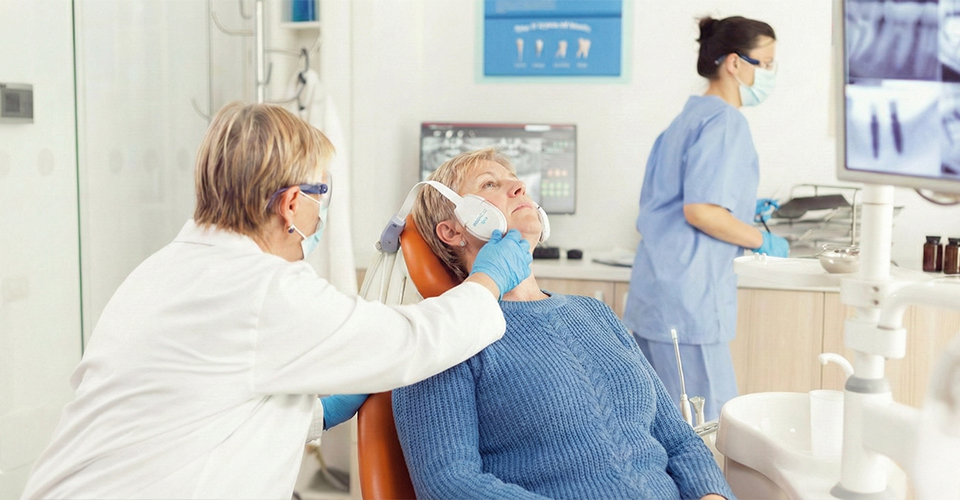
The treatment uses two synchronized components:
- High-intensity muscle stimulation (HIFES™), which helps retrain overactive facial and jaw muscles through gentle muscle re-education
- Synchronized radiofrequency technology, which increases local blood flow for local blood flow maintenance, eases tension, warms tissues, and supports collagen and elastin production
Together, these create a deep, restorative effect on the muscles that support the temporomandibular joint TMJ. Emface can also help reduce TMJ pain and discomfort for patients. Patients often describe it as a sense of “everything finally letting go.”
What makes this even more valuable is that Emface does all of this without being a minimally invasive procedure, without needing to involve surgery, and without interfering with metal implants like traditional RF devices sometimes do.
What Emface TMJ Treatment Actually Feels Like
Emface isn’t painful or uncomfortable—in fact, many patients say it’s relaxing. During the treatment, small facial applicators deliver warmth and rhythmic pulsing sensations that feel like a combination of deep muscle relaxation and a coordinated workout for your face. Most people walk out of their very first session feeling lighter, looser, and less “locked up.”
There’s no downtime, no numbing, and no special instructions afterward. You can go right back to work or back to your day.
A complete treatment plan typically involves a treatment series of four sessions spaced about a week apart. As the muscles become more balanced, patients notice meaningful improvements: smoother jaw movement, fewer headaches, reduced clenching, and a decrease in the tight, dragging sensation that so often defines TMJ pain.
Why Emface Is Different From Other TMJ Options
Most TMJ therapies help—but only in pieces.
- A mouth guard protects teeth but doesn’t retrain muscles.
- A physical therapist can improve posture and mobility, but facial muscles are notoriously hard to target manually.
- Medications and lifestyle changes ease symptoms, but they don’t solve the underlying muscular imbalance.
- And more invasive options like open joint surgery are reserved for complex structural cases—not everyday TMJ dysfunction.
What makes Emface different is its ability to break the cycle by working directly with the muscle activity that drives clenching, grinding, and chronic tension. It supports the jaw in regaining healthier function—something that leads to lasting functional relief and real change.
Combining Emface with Dental Care: A Holistic Approach at Lifestyle Dentistry
At Lifestyle Dentistry, we believe that treating TMJ pain is about more than just managing symptoms—it’s about restoring balance and confidence. Emface treatment is a minimally invasive procedure that uses synchronized radiofrequency technology and high-intensity facial muscle stimulation to relieve TMJ pain and enhance your facial appearance. When paired with expert dental care, Emface becomes part of a holistic treatment plan designed to address both the function and aesthetics of your jaw. This approach helps relieve TMJ pain, reduce jaw stiffness, and improve oral health, all while supporting a more youthful, refreshed look. By combining Emface with personalized dental solutions, patients experience functional relief from TMJ symptoms and enjoy the benefits of a healthier, more comfortable smile.
Why Patients Choose Lifestyle Dentistry for TMJ Care
At Lifestyle Dentistry, Dr. Aja Nichols approaches TMJ treatment as a collaboration between the jaw, bite, facial muscles, posture, habits, and overall wellness. She looks at the whole system—not just the symptoms—so patients can finally understand what’s causing their discomfort and how to move forward.
By combining Emface with custom stabilization devices, bite analysis, self-care guidance, and habit coaching, she helps patients find relief in a way that feels customized, modern, and empowering.
Treatment Plan and What to Expect with Emface
Your Emface journey is designed to be simple, comfortable, and effective. Most treatment plans include 4 to 6 sessions, each about 20 minutes long and spaced roughly a week apart. During each Emface treatment, you may feel a gentle warmth or mild muscle fatigue as the technology works to rebalance your jaw and facial muscles. These sensations are temporary and typically fade quickly, allowing you to return to your normal routine right away—no downtime required. To get the best results, it’s important to follow your treatment plan and attend all scheduled sessions. Dr. Nichols may also recommend self-care strategies, such as practicing good posture, doing gentle jaw exercises, and managing stress, to help you maintain a healthier jaw and reduce TMJ symptoms between visits.
Is Emface Right for Your TMJ Symptoms?
You might benefit from Emface if you:
- Wake up with jaw tightness or stiffness
- Feel tension in your temples or cheeks
- Notice you clench during the day
- Grind your teeth at night
- Experience facial discomfort or headaches
- Have reduced jaw movement or a tired, “heavy” feeling
- Want a non-surgical approach
- Prefer something effective and comfortable
Emface also helps relax the jaw muscles, reducing tension and discomfort.
Many patients who haven’t had success with other treatments finally experience relief here.
Frequently Asked Questions About Emface for TMJ
Emface treatment uses synchronized radiofrequency technology and high-intensity facial muscle stimulation (HIFES) to activate muscle activity, improve local blood flow, and help relax muscle spasms. This combination helps relieve TMJ pain and supports a more balanced facial appearance.
Most patients find Emface treatment comfortable and relaxing. You may feel a mild warmth or gentle muscle fatigue during the session, but these effects are temporary and usually subside quickly.
A typical Emface treatment plan includes 4 to 6 sessions, spaced about one week apart. Each session lasts around 20 minutes, making it easy to fit into your schedule.
Absolutely. Emface can be integrated with other treatments like dental care or physical therapy for a comprehensive approach to TMJ disorders. This helps maximize relief and supports long-term jaw health.
Emface is generally safe for most people, but it may not be suitable for those with certain medical conditions, such as metal implants or electronic devices. It’s important to consult with your provider to ensure Emface is the right choice for you.
If you have more questions about Emface or want to know if it’s right for your TMJ pain, our team at Lifestyle Dentistry is here to help you find the answers and relief you need.
Ready to Explore Emface for TMJ Relief?
If you’ve been living with TMJ pain, you deserve a treatment that finally addresses what’s actually causing your symptoms—not just the effects. Emface offers a fresh, innovative, FDA-cleared option that blends science, technology, and comfort in a way no traditional therapy has before.
If you’re curious whether this could be the right next step for your TMJ journey, Dr. Nichols would love to help.
Schedule your TMJ consultation with Lifestyle Dentistry
Let’s find a path to comfort, balance, and everyday ease.
