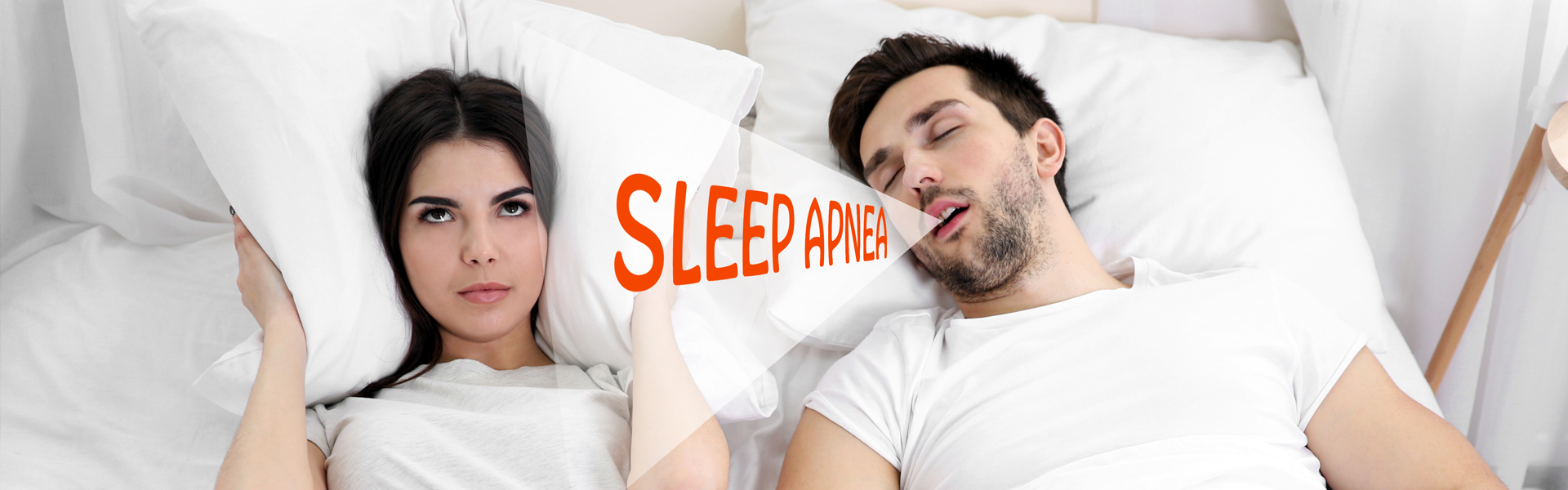
Dental Sleep Apnea Treatment: How Dental Airway Evaluations Play a Role in Sleep Health
When sleep doesn’t feel restorative, most people start by looking at the obvious possibilities. Stress. A busy schedule. Too much screen time. Maybe caffeine too late in the day. And while all of those factors can absolutely affect sleep, they don’t always explain why someone wakes up feeling tired, sore, or foggy — even after a full night in bed.
What’s often overlooked is how breathing works during sleep — and how closely that process is connected to the structures of the mouth and jaw.

The position of the jaw, the way the teeth come together, the space available for the tongue, and the size and shape of the airway all influence how easily air moves through the body at night. For some individuals, these structural factors are a meaningful — and often missing — piece of the sleep health puzzle.
Dentists are in a unique position to observe the oral and airway structures that can contribute to obstructive sleep apnea (OSA) and other sleep-related breathing issues. At Lifestyle Dentistry in Smyrna, sleep health is approached with curiosity, collaboration, and respect for the whole person. A dental airway evaluation doesn’t assume a diagnosis — it helps uncover whether oral structures may be playing a role in symptoms that haven’t fully made sense before.
Understanding the Airway–Sleep Connection
Breathing during sleep is very different from breathing while we’re awake. During the day, the muscles of the face, jaw, and tongue actively work to keep the airway open. At night, those muscles naturally relax — and that’s when anatomy begins to matter more.
If the airway is already narrow, or if the jaw settles into a position that limits space behind the tongue, airflow can become restricted. The tongue may fall backward slightly. The jaw may lose some of its supportive position. For some people, these changes happen repeatedly throughout the night without fully waking them up.
Over time, this can show up as:
- Snoring that develops gradually
- Restless or light sleep
- Morning headaches or jaw tension
- Teeth grinding or clenching
- Feeling tired despite getting enough hours of sleep
These symptoms don’t always point to a single cause, and they don’t necessarily mean something is “wrong.” Sleep health is complex. But for many individuals, airway structure quietly plays a role that’s easy to miss.
Dentists routinely evaluate jaw alignment, bite relationships, muscle tension, and wear patterns on teeth. When viewed through an airway-focused lens, these everyday findings can offer valuable insight into how breathing may be functioning during sleep.
What Is a Dental Airway Evaluation?
A dental airway evaluation looks beyond the teeth alone and considers how oral structures may influence breathing — particularly during sleep.

During this type of evaluation, the dentist assesses:
- Jaw position and alignment
- How the upper and lower teeth come together
- Tongue posture and available space in the mouth
- Signs of clenching or grinding that may occur at night
- Physical indicators that may suggest restricted airflow
These findings are considered alongside symptoms a patient may be experiencing, such as fatigue, snoring, jaw discomfort, or disrupted sleep. The goal is not to diagnose a sleep disorder, but to determine whether further sleep evaluation may be appropriate.
When airway-related concerns are identified, gathering objective sleep data becomes an important next step.
How At-Home Sleep Monitoring Helps Identify Sleep Disorders
For many people, the idea of a traditional sleep study feels intimidating. Sleeping in a lab, connected to wires, in an unfamiliar environment can feel stressful — especially for someone who already struggles with sleep.
Modern at-home sleep monitoring offers a more comfortable alternative.
When appropriate, patients may be asked to wear a small sleep-monitoring ring at home for several nights, typically five or more. The ring is worn while sleeping in one’s own bed, following normal routines. This allows sleep to be assessed in a familiar environment rather than during a single, artificial night.

By collecting data over multiple nights, the assessment focuses on patterns rather than isolated snapshots. This matters because sleep quality can vary from night to night based on stress, activity level, illness, or sleep position.
What the Sleep Monitoring Ring Measures
While simple to wear, the ring collects meaningful information related to sleep and breathing, including:
- Breathing patterns during sleep
- Oxygen levels throughout the night
- Heart rate and heart rate variability
- Sleep stages and interruptions
- Frequency of breathing disruptions
Many people are surprised to learn that breathing can be disrupted without fully waking up or remembering nighttime disturbances. These brief interruptions can prevent deep, restorative sleep even when total sleep time appears adequate.
Medical Diagnosis and Collaborative Care
Sleep disorders are diagnosed by qualified medical providers trained in sleep medicine.
Once sleep data is collected, it is reviewed by a third-party sleep physician who determines whether a sleep-related breathing disorder, such as obstructive sleep apnea, is present and how severe it may be. This ensures diagnosis is objective, medically appropriate, and based on established clinical criteria.
Dentists do not diagnose sleep apnea. Instead, they work collaboratively with sleep physicians to evaluate oral anatomy and help determine appropriate treatment options once a diagnosis is made.
This team-based approach allows dental sleep apnea treatment to be guided by real data — not assumptions — and gives patients confidence that their care is both thorough and evidence-based.
Why Dentists Are an Important Part of Dental Sleep Medicine
Sleep health is often viewed as strictly medical — and diagnosis should be. But dentists play an important supporting role because of how closely oral structures are tied to breathing.
Dentists study jaw function, bite alignment, airway space, and muscle balance in depth. They also see patients regularly, allowing them to notice gradual changes over time, such as increased clenching, shifting bite relationships, or wear patterns that may be connected to nighttime breathing challenges.
For patients diagnosed with sleep apnea who are candidates for oral appliance therapy, dentists trained in dental sleep medicine are uniquely qualified to design, fit, and adjust custom oral appliances. These devices are designed to support the jaw and airway while maintaining long-term comfort and dental stability.
When dental and medical care work together, patients benefit from a more coordinated and personalized approach.
When a Dental Airway Evaluation May Be Helpful
A dental airway evaluation may be especially helpful for individuals who:
- Snore or have been told they snore
- Wake with jaw soreness, headaches, or facial tension
- Clench or grind their teeth at night
- Feel tired despite consistent sleep habits
- Are exploring non-CPAP sleep apnea treatment options
- Want a deeper understanding of how anatomy may affect sleep
For many people in Smyrna and surrounding communities, these experiences persist quietly for years. An airway-focused evaluation doesn’t assume a diagnosis — it helps clarify whether oral structure may be part of the picture.
Oral Appliance Therapy as a Non-CPAP Option
For patients diagnosed with obstructive sleep apnea who are appropriate candidates, oral appliance therapy can be an effective alternative to CPAP therapy.

Oral appliances are custom-made dental devices worn during sleep. They work by gently supporting the lower jaw in a forward position, helping keep the airway open and reducing breathing disruptions. Unlike CPAP machines, oral appliances do not rely on continuous air pressure, which makes them easier for many patients to tolerate.
These appliances are designed based on both dental anatomy and sleep data, and they require follow-up and adjustment to ensure comfort, effectiveness, and long-term stability.
The goal of oral appliance therapy is not perfection — it’s sustainable, healthier breathing that fits into real life.
A More Complete View of Sleep Health
Sleep health isn’t shaped by one factor alone. It’s influenced by anatomy, physiology, habits, stress, and how the body functions as a whole.
By combining dental airway evaluations, at-home sleep monitoring, and medical diagnosis, patients gain a clearer understanding of what may be affecting their sleep — and what options may help improve it.
For many people, this approach doesn’t just improve sleep. It restores clarity, confidence, and quality of life.
Final Thought
If sleep hasn’t felt restorative, it may be worth looking beyond the obvious explanations. Sometimes the answers aren’t about trying harder — they’re about understanding the body more fully.
And in some cases, that understanding begins with the airway.