How Sleeping Position Affects Snoring and What You Can Do About It
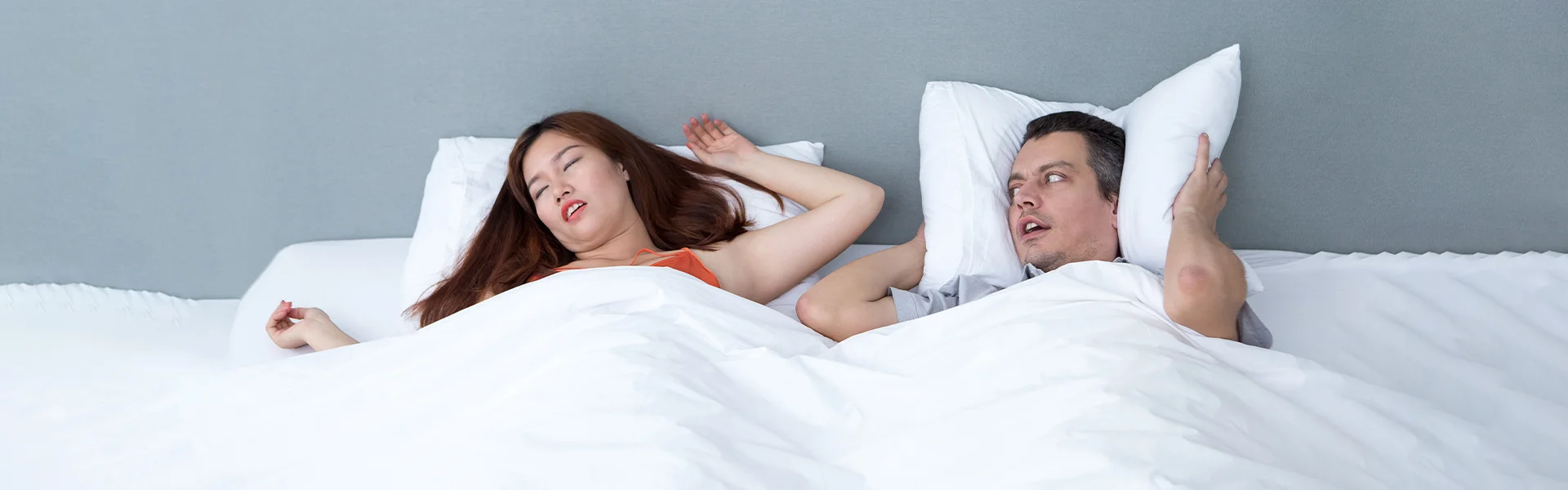
Your partner says you snore loudly on your back, but the noise settles when you turn sideways. Could changing positions really make that much difference?
If you’re exploring snoring solutions in Smyrna, it’s worth examining your sleeping position. Side sleeping may reduce snoring, especially when gravity narrows your airway by pulling your throat tissues inward.
However, frequent snoring accompanied by gasping, breathing pauses, or daytime exhaustion could indicate obstructive sleep apnea.
What Causes Snoring During Sleep?
As you fall asleep, muscles supporting your tongue, soft palate, and throat relax. As air passes through the narrowed space, nearby tissues vibrate, producing snoring.
Nasal congestion, enlarged tonsils, excess throat tissue, and alcohol before bedtime can make the noise louder.
Occasional snoring during a cold isn’t necessarily concerning. Frequent episodes accompanied by breathing difficulties deserve closer attention.
How Sleeping Position Affects Snoring
Your tongue and throat tissues shift when you turn over. Gravity changes where they rest, sometimes narrowing the airway.
When snoring becomes worse in certain positions, it’s called positional snoring.
Your partner may notice this pattern before you do.
Why Sleeping on Your Back Can Make Snoring Worse
When you lie on your back, your tongue and the soft tissue behind it can fall back, narrowing your airway.
For someone with an already narrow airway, this can increase vibration and breathing resistance.
Sleeping on your back may also worsen breathing interruptions in people with obstructive sleep apnea.
Benefits of Side Sleeping for Reducing Snoring
Turning sideways may prevent throat tissues from moving backward as much, allowing air to pass more freely.
Using a body pillow can help you hold this position more comfortably. Another cushion behind your back may discourage rolling over.
Choose a comfortable arrangement that doesn’t strain your shoulders or hips.
Remember, quieter snoring doesn’t prove that sleep apnea has resolved.
Can Sleeping on Your Stomach Help Reduce Snoring?
Sleeping on your stomach may lessen snoring for some people, but it isn’t always comfortable.
Keeping your head turned for hours can stiffen your neck. Lower-back discomfort is another concern.
If you wake up sore, side sleeping may be more practical.
How Pillow Height and Neck Position Affect Breathing
An overly thick pillow may push your chin toward your chest, while a flat one might provide inadequate support.
Choose a pillow that keeps your head and neck comfortably aligned.
Slightly elevating your upper body may reduce snoring, but stacking pillows can strain your neck.
Pillow adjustments cannot reliably treat airway obstruction.
Best Sleeping Positions to Help Minimize Snoring
Different positions affect people differently.
| Sleeping Position | Possible Effect on Snoring |
| Sleeping on Your Back | May make snoring worse as the tongue and soft tissues shift backward |
| Sleeping on Your Side | Often helps reduce snoring related to sleeping position |
| Sleeping on Your Stomach | May reduce snoring but can put strain on your neck |
| Sleeping With Your Head Slightly Elevated | May help ease snoring by reducing upper airway narrowing |
Research supports positional adjustments for selected patients with obstructive sleep apnea. A 2025 meta-analysis involving 1,231 participants found that positional therapy reduced breathing interruptions during back sleeping. However, CPAP generally improved overall sleep apnea severity more. Changing positions may therefore be useful, but it shouldn’t replace prescribed treatment (Gao et al., 2025).
Lifestyle Changes That May Help Reduce Snoring
Alcohol relaxes throat muscles and may worsen snoring, especially when consumed before bedtime.
Maintaining a healthy weight, stopping smoking, and getting sufficient sleep may also help.
Some sedating medications affect nighttime breathing. Discuss concerns with your prescribing clinician rather than stopping medication independently.
How Nasal Congestion and Airway Blockages Contribute to Snoring
Allergies, colds, and a deviated septum can restrict nasal airflow, encouraging mouth breathing during sleep.
Saline sprays may relieve mild congestion. Nasal strips can widen the nostrils slightly but won’t correct narrowing deeper in the throat.
Persistent blockage, especially on one side, warrants a medical evaluation.
When Snoring May Be a Sign of Sleep Apnea
With obstructive sleep apnea, your airway repeatedly narrows or closes while you sleep, causing breathing interruptions throughout the night.
Warning signs include:
- Loud, frequent snoring
- Gasping or choking
- Witnessed breathing pauses
- Morning headaches
- Excessive daytime sleepiness
- Difficulty concentrating
Untreated sleep apnea is associated with a greater risk of high blood pressure and heart-related conditions.
How Home Sleep Tests Can Help Identify Sleep-Related Breathing Problems
Home sleep apnea testing collects breathing-related measurements while you sleep.
The practice offers SleepImage home sleep testing, which uses a wearable finger sensor and smartphone application.
Testing is intended for selected adults with suspected obstructive sleep apnea. A qualified medical provider should determine suitability and interpret results.
If findings are negative, inconclusive, or technically inadequate, laboratory testing is recommended when sleep apnea remains under evaluation.
Treatment Options for Persistent Snoring
Treatment depends on whether snoring occurs independently or alongside obstructive sleep apnea.
Options may include positional therapy, CPAP, or a custom oral appliance.
The appliance moves your lower jaw slightly forward, making it easier for air to flow through your throat while you sleep.
These devices may reduce the frequency and loudness of snoring. For diagnosed sleep apnea, medical assessment, proper fitting, dental monitoring, and follow-up testing remain important (Ramar et al., 2015).
Aja Nichols, DDS, offers custom oral appliance therapy for snoring concerns. Follow-up appointments help identify jaw discomfort, dry mouth, or bite changes.
When to Seek Professional Help for Snoring
Schedule an evaluation when snoring disrupts sleep or comes with gasping, breathing pauses, or persistent fatigue.
A dentist in Smyrna who provides dental sleep services can discuss oral appliances after appropriate medical assessment.
If you’ve searched for a dentist near me because snoring continues, ask about appliance fitting and coordination with sleep physicians.
Patients in the 30082 area should also consider follow-up care when selecting a provider.
Frequently Asked Questions
Side sleeping often helps if snoring worsens when you sleep on your back.
A supportive pillow may improve positioning but cannot reliably correct sleep apnea.
No. Testing depends on symptoms, medical history, and risk factors.
Custom mandibular advancement appliances may reduce snoring in suitable patients.
Yes. Quieter breathing doesn’t guarantee that nighttime breathing interruptions have stopped.
Conclusion
Changing sleeping positions may reduce snoring, but persistent symptoms deserve attention, especially when breathing pauses or daytime exhaustion occur.
Contact Lifestyle Dentistry to discuss custom oral appliance options and whether medical sleep evaluation may be appropriate.
References
Gao, Y., Zhu, S., Li, W., & Lai, Y. (2025). Comparative efficacy of sleep positional therapy, oral appliance therapy, and CPAP in obstructive sleep apnea: A meta-analysis of mean changes in key outcomes. Frontiers in Medicine, 12, Article 1517274. https://doi.org/10.3389/fmed.2025.1517274
Ramar, K., Dort, L. C., Katz, S. G., Lettieri, C. J., Harrod, C. G., Thomas, S. M., & Chervin, R. D. (2015). Clinical practice guideline for the treatment of obstructive sleep apnea and snoring with oral appliance therapy: An update for 2015. Journal of Clinical Sleep Medicine, 11(7), 773–827. https://doi.org/10.5664/jcsm.4858