
Why Spring Allergies Can Make Snoring and Sleep Apnea Worse
As spring arrives in the Smyrna-Vinings area, many people look forward to warmer weather, blooming trees, and longer days outdoors. But for those who struggle with spring allergies, the season can also bring frustrating symptoms—sneezing, congestion, sinus pressure, and fatigue.
What many people don’t realize is that seasonal allergies can also make snoring and sleep apnea worse.
If you’ve noticed that you’re sleeping poorly, waking up tired, or hearing complaints about louder snoring during allergy season, you’re not imagining it. The same inflammation and nasal congestion that make allergies uncomfortable during the day can significantly affect your breathing during sleep.
Understanding the connection between allergy symptoms, airway health, and sleep quality can help you take the right steps toward better rest.
Why You Might Be Snoring More This Spring
Snoring happens when airflow becomes partially blocked during sleep. As air tries to move through a narrowed airway, the soft tissues in the throat vibrate—creating the sound we recognize as snoring. Many people snore loudly, which can be a common symptom of underlying sleep disorders.
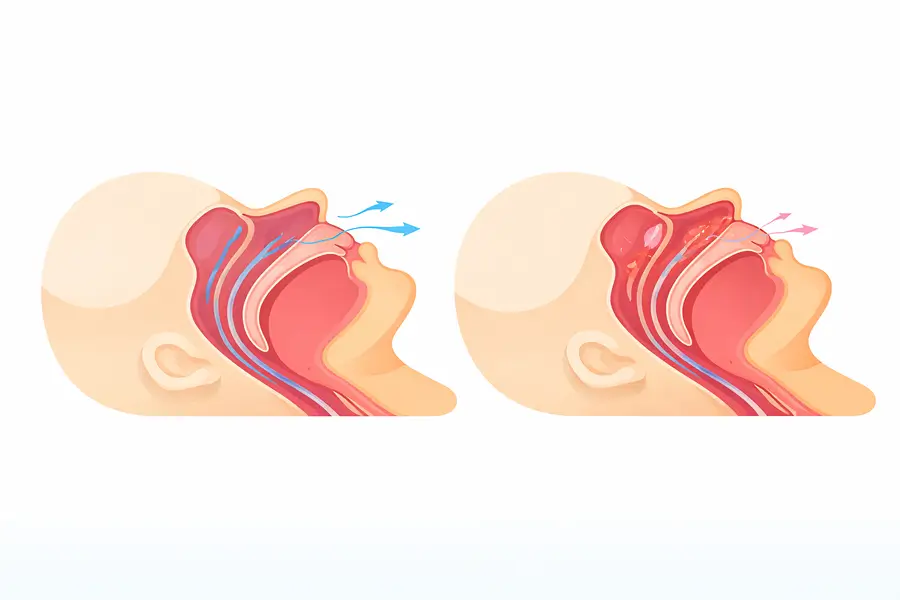
During allergy season, several changes occur in the body that can increase this airway obstruction:
- Nasal congestion from swollen nasal passages
- Sinus inflammation caused by pollen and environmental allergens. Tree pollen and grass pollen are common triggers for spring allergies.
- Increased mucus production
- Greater reliance on mouth breathing
- Not getting enough air due to airway narrowing
When nasal passages become blocked, your body often compensates by breathing through the mouth while sleeping. Unfortunately, mouth breathing can dry out tissues, destabilize the airway, and increase the likelihood of snoring. The relaxation of muscles supporting the soft palate can also cause the airway to become blocked, further disrupting airflow during sleep.
For some people, these seasonal changes simply cause louder snoring. But for others, they may worsen a more serious condition—obstructive sleep apnea. At Lifestyle Dentistry, patients can explore treatment options such as oral appliance therapy for sleep apnea, which helps keep the airway open during sleep.
Understanding Allergic Rhinitis (Spring Allergies)
The medical term for most seasonal allergies is allergic rhinitis, commonly known as hay fever. It occurs when the immune system reacts to environmental allergens such as tree pollen, grass pollen, dust mites, or pet dander.
When this reaction occurs, the body releases chemicals like histamines, which trigger inflammation in the nasal passages. This inflammation can cause:
- nasal congestion
- sneezing
- runny nose
- sinus pressure
- itchy or watery eyes
While these symptoms are frustrating during the day, they can be even more disruptive at night.
When nasal passages become inflamed and blocked, breathing through the nose becomes difficult. This often leads to mouth breathing during sleep, which can increase snoring and make airway obstruction more likely.
For people who already struggle with snoring or sleep apnea, seasonal allergies can make nighttime breathing problems noticeably worse.
The Connection Between Allergies and Obstructive Sleep Apnea
Sleep apnea is a condition where breathing repeatedly stops and starts during sleep due to airway obstruction. The most common type, obstructive sleep apnea, occurs when the muscles and tissues in the throat relax and collapse, blocking airflow. Certain factors—such as nasal congestion, airway inflammation, alcohol use before bed, and anatomical airway differences—can increase the likelihood of sleep apnea symptoms.
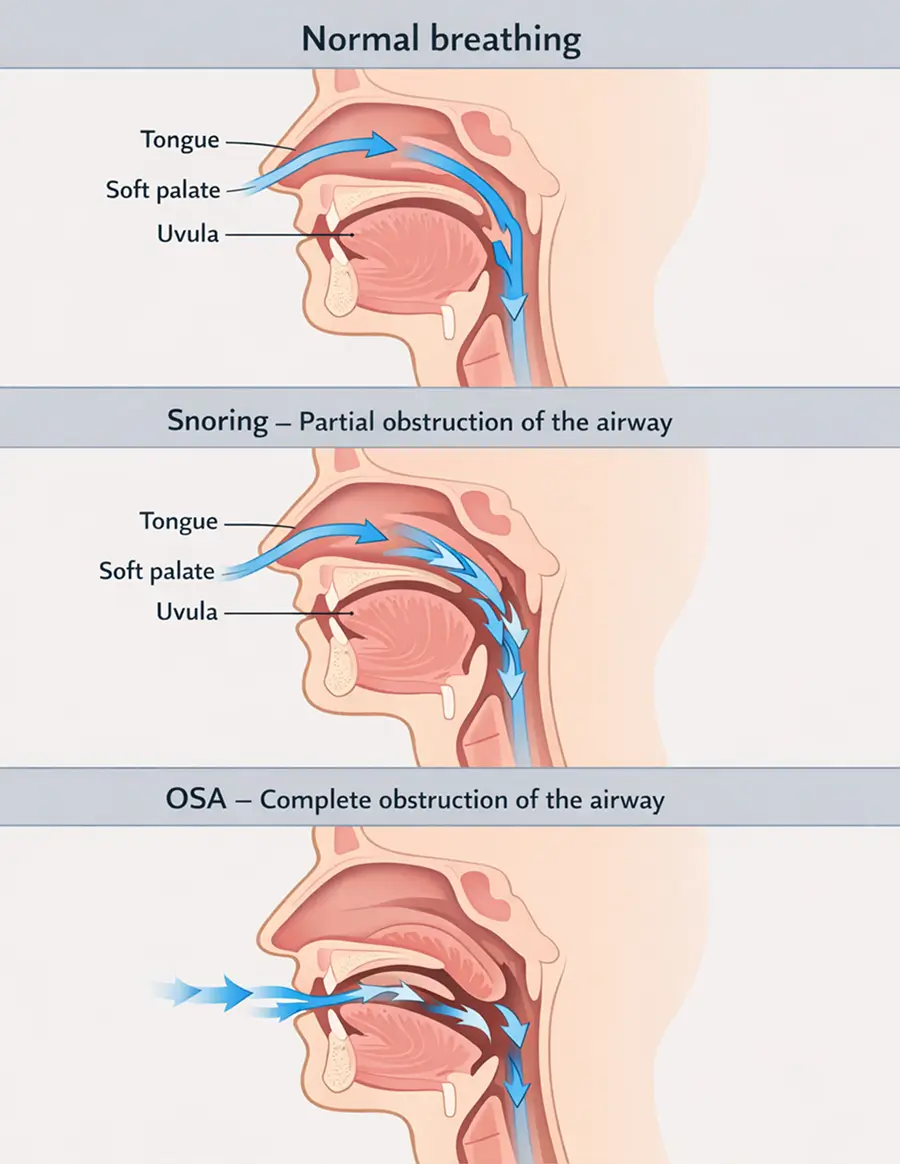
Allergy-related inflammation can make this problem worse in several ways.
First, blocked nasal passages make it harder to maintain steady airflow through the nose. When breathing shifts to the mouth, the airway becomes more vulnerable to collapse.
Second, sinus inflammation and swelling can narrow the airway even further. The combination of congestion and soft tissue relaxation during sleep can lead to:
- Increased snoring at night
- More frequent sleep disturbances
- Reduced oxygen flow
- Interrupted sleep cycles
Different types of sleep, such as REM and non-REM sleep, can be disrupted by airway obstruction, further impacting sleep quality.
During sleep apnea episodes, breathing briefly stops or becomes shallow, which can lower oxygen levels and disrupt normal sleep cycles.
Over time, this can result in poor sleep quality, daytime fatigue, headaches, and difficulty concentrating. Achieving restful sleep and quality sleep is crucial for overall health and well-being.
For some individuals, allergy season may temporarily worsen sleep apnea symptoms. For others, it may reveal an underlying sleep disorder that was already present but less noticeable.
Limiting pollen exposure, keeping windows closed during high-pollen days, and using saline rinses can help reduce allergy symptoms that affect nighttime breathing.
Signs Your Snoring May Be More Than Allergies
Occasional snoring during allergy season can be normal. However, certain symptoms may indicate a deeper issue related to airway health or sleep apnea.
You may want to seek an evaluation if you experience:
- Loud, frequent snoring
- Waking up feeling unrested or exhausted
- Morning headaches
- Dry mouth upon waking
- Difficulty concentrating during the day
- Persistent daytime fatigue
- Jaw tension or discomfort
- Frequently feel tired even after a full night’s sleep
- Some patients also notice increased jaw tension or clenching at night, which can be related to airway issues and TMJ strain.
Symptoms of spring allergies often appear immediately after exposure to allergens and persist as long as they remain in the air.
Many people assume these symptoms are simply part of seasonal allergies or a busy lifestyle. In reality, they may signal a breathing problem during sleep that deserves attention.
Why Dentists Often Spot Sleep Apnea First
Many people are surprised to learn that dentists frequently identify early signs of sleep apnea and airway obstruction.
During routine dental exams, dentists evaluate structures that directly influence airway health, including:
- The jaw and bite alignment
- The size and position of the tongue
- The shape of the palate
- Signs of mouth breathing
- Evidence of nighttime grinding or clenching
Dentists trained in dental sleep medicine can often recognize patterns that suggest sleep-disordered breathing.
Because the mouth and airway are closely connected, dental professionals are uniquely positioned to help identify and manage conditions that affect breathing during sleep.
At Lifestyle Dentistry, Dr. Aja Nichols takes a whole-person approach to dental care, evaluating airway health alongside oral structures to help patients breathe and sleep better.
How Oral Appliance Therapy Can Help
For many patients with snoring or mild to moderate sleep apnea, oral appliance therapy offers an effective and comfortable treatment option.
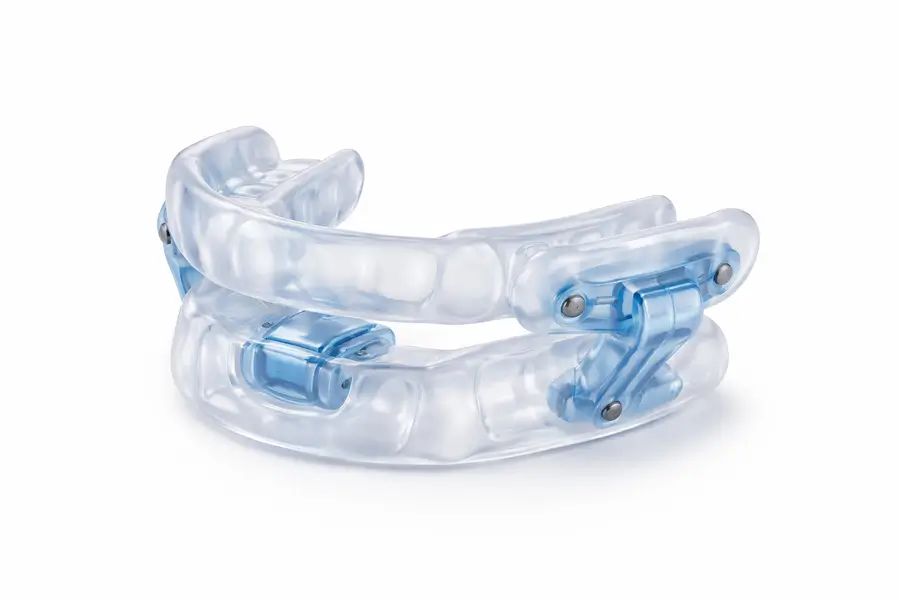
An oral appliance is a custom-made device worn during sleep. It works by gently repositioning the lower jaw to help keep the airway open.
Benefits of oral appliance therapy may include:
- Reduced snoring
- Improved airflow during sleep
- Better sleep quality
- Increased oxygen levels overnight
- Greater comfort compared to some other treatment options
Because these appliances are custom designed to fit each patient’s mouth, they are often more comfortable and easier to tolerate than other devices.
For individuals whose symptoms worsen during allergy season, improving airway stability can make a significant difference in how well they sleep. For many patients with obstructive sleep apnea, a custom oral appliance from a dentist trained in dental sleep medicine can provide a comfortable alternative to CPAP therapy.
Sleep Apnea and Snoring Treatment in Smyrna-Vinings
Patients in Smyrna, Vinings, and surrounding Atlanta communities often experience worsening allergy symptoms during the spring due to high pollen levels. When nasal congestion and airway inflammation affect sleep, many people notice increased snoring, fatigue, and disrupted rest.
At Lifestyle Dentistry, patients receive personalized evaluations designed to identify airway concerns and determine whether oral appliance therapy for sleep apnea or snoring may help improve breathing and sleep quality.
What You Can Do to Improve Sleep and Relieve Nasal Congestion During Allergy Season
If allergies are affecting your sleep, a few strategies may help reduce symptoms and support better breathing at night.
You may consider:
- Managing seasonal allergies with guidance from your healthcare provider
- Using saline rinses to help clear nasal congestion
- Keeping bedroom air clean with high-quality filters
- Sleeping slightly elevated to reduce airway pressure
- Addressing mouth breathing habits
- Seeking an evaluation for persistent snoring or sleep disturbances
Taking steps to support airway health can improve both sleep quality and overall health.
When to See a Dentist for Snoring or Sleep Apnea
If snoring becomes loud, frequent, or accompanied by daytime fatigue, headaches, or poor sleep quality, it may be time for an airway evaluation. Dentists trained in dental sleep medicine can help determine whether snoring is related to airway obstruction, sleep apnea, or jaw positioning and recommend appropriate treatment options.
Don’t Ignore Snoring—Especially in Spring
Many people assume snoring is harmless or simply part of getting older. However, persistent snoring can be a sign of airway obstruction or sleep apnea, especially when accompanied by fatigue or disrupted sleep.
Spring allergies can intensify these symptoms, making this time of year an ideal opportunity to evaluate your sleep health. Underlying health conditions, such as allergies or other medical issues, can contribute to both sleep and breathing problems, so addressing these health conditions is essential for lasting improvement.
At Lifestyle Dentistry, Dr. Aja Nichols takes a comprehensive approach to care—looking beyond teeth alone to understand how airway health, sleep, and oral structures work together. In some cases, patients may also work with allergy specialists to help manage seasonal allergy symptoms that affect breathing.
If snoring, poor sleep quality, or breathing problems during sleep are affecting your daily life, a professional evaluation may help identify the underlying cause and guide you toward effective treatment. Schedule a consultation with Lifestyle Dentistry to learn more about personalized treatment options.
Better breathing at night can lead to better energy, focus, and well-being during the day.