
Healthy Bite vs Straight Teeth: What to Know Before Orthodontics or Implants
Most people picture the same thing when they think “healthy smile”: straight, even, picture-perfect teeth.
And honestly? That image makes sense. Straight teeth look healthy. But a properly aligned bite is just as important as straight teeth for long-term oral health. They photograph well. They feel like the finish line.
But here’s something that doesn’t come up nearly enough: While straight teeth are less prone to cavities, tooth decay, and gum disease, these benefits depend on having a properly aligned bite.
Straight teeth and a healthy bite are not the same thing.
And if you’re thinking about orthodontics or dental implants — whether here in Smyrna or anywhere else — that difference matters more than most people realize before they start treatment.
A healthy bite isn’t just about how straight your teeth look. It’s about how your upper and lower teeth fit together, how your jaw moves and rests, and the role of jaw movement in daily function. Proper bite alignment ensures that your teeth and jaws work together efficiently for chewing, speaking, and overall comfort.
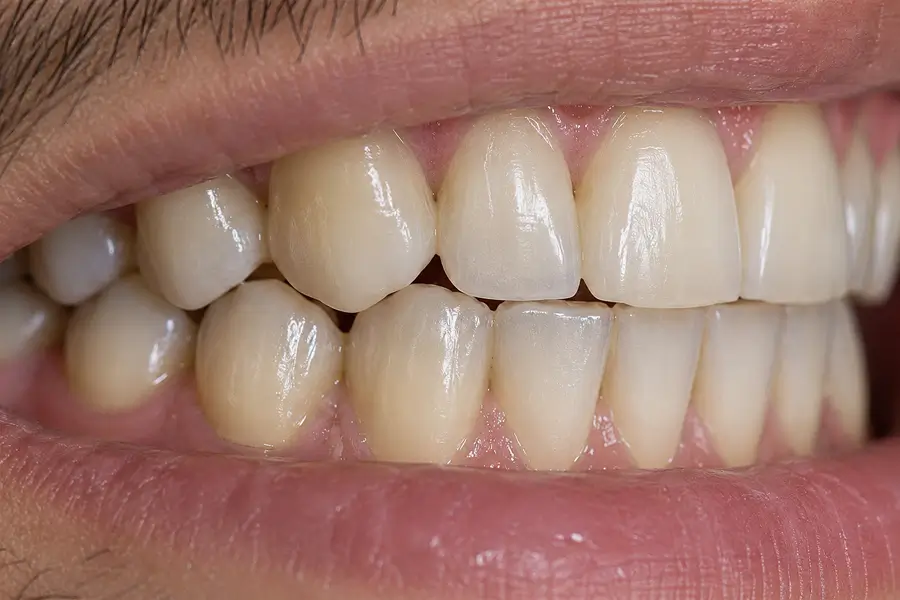
Even if your teeth appear straight, you can still have:
- A misaligned bite or jaw misalignment, which can cause symptoms such as tooth wear, jaw pain, and headaches due to uneven pressure on teeth and jaws.
- Difficulty chewing or biting into food.
- TMJ pain or clicking.
- Uneven tooth wear.
- Increased risk of cavities or gum disease.
A misaligned bite can also lead to speech impediments, such as lisping or difficulty pronouncing certain words.
So, a healthy bite means more than straight teeth — it’s about achieving proper bite alignment and ensuring that jaw movement and bite alignment work together for optimal oral health and function.
So What’s the Difference Between Straight Teeth and a Healthy Bite?
Straight teeth are about alignment — how your teeth sit in a row. A normal bite or aligned bite is the goal for both function and health, ensuring that your upper and lower teeth fit together properly.
A healthy bite is about how everything works together: how your top and bottom teeth come together, how your jaw moves and rests, and how evenly pressure gets distributed every time you chew, talk, or clench. Achieving proper alignment is essential for optimal function and long-term oral health.
You can have teeth that look absolutely straight and still deal with:
- Uneven wear or unexplained chipping
- Jaw tension, fatigue, or soreness
- A clicking or uncomfortable jaw
- Results that don’t hold up the way you’d expect over time
An aligned bite enhances chewing efficiency, which aids in digestion and nutrient absorption, making it essential for overall well-being.
In other words, the way your teeth look is only part of the picture.
What Does a Healthy Bite Actually Mean?
A healthy bite means your teeth, jaw joints, and muscles are all working in harmony — not fighting each other. This balance not only looks good but also supports oral health by reducing strain and improving essential functions like chewing and speaking.
When your bite is functioning the way it should:
- Your teeth come together evenly and comfortably
- Your jaw moves without strain or compensation
- Your muscles aren’t quietly overworking to make up for imbalances
- You have optimal chewing ability, making it easier to break down food and speak clearly
A properly aligned bite also improves oral health by making teeth easier to clean, reducing the risk of cavities and gum disease.
Most people don’t think about this until something starts to feel off. A little wear here. Some tension there. Maybe a clicking sound that’s easy to ignore at first.
Over time, those small imbalances add up — and they can get expensive to address after the fact. Correcting bite alignment can relieve pain and prevent future dental issues.
Symptoms of a Bad Bite
A misaligned bite, or bad bite, can show up in ways that go beyond just how your teeth look. You might notice jaw pain, headaches, or even difficulty chewing certain foods. Sometimes, uneven wear on your teeth becomes visible, or you may experience increased tooth sensitivity. Over time, a misaligned bite can make it harder to keep your teeth and gums healthy, raising your risk for gum disease and tooth decay. Speech issues and discomfort when biting down are also common signs. If you’re experiencing any of these symptoms, it’s important to see a dental professional. They can assess your bite alignment and recommend orthodontic care to straighten teeth and restore proper function, helping you protect your oral health for the long term.

Why This Matters Before Starting Orthodontic Treatment
Orthodontics can do remarkable things. Whether you’re considering Fastbraces®, SureSmile clear aligners, or another option, the right orthodontic care is designed to correct bite issues and improve both function and aesthetics. These dental treatments can genuinely transform both your smile and your confidence.
But here’s the nuance that often gets glossed over:
Orthodontics moves teeth. It doesn’t always correct the underlying bite.
If treatment focuses only on how your teeth look — without evaluating how they function together — you might end up with:
- A smile that looks great but doesn’t feel quite right
- Bite imbalances that lead to discomfort down the road
- Results that shift or don’t last as long as expected
Additionally, without correct alignment, there can be increased stress on the temporomandibular joints (TMJ) and jaw muscles, which may lead to chronic jaw pain, clicking, and headaches.
That’s exactly why a comprehensive evaluation matters so much before treatment begins.
At Lifestyle Dentistry in Smyrna, Dr. Aja Nichols uses advanced diagnostic tools — including an in-house 3D CT scan and intraoral scanner — to get a full picture of your bite, jaw position, and long-term function before any movement starts. The goal isn’t just to straighten teeth, but to achieve a properly aligned and correct bite. It’s a result that’s stable, comfortable, and designed to last.
Chewing Efficiency and Oral Health
The way your upper and lower teeth fit together has a big impact on how well you chew—and on your overall oral health. When your bite is properly aligned, your teeth can break down food efficiently, making it easier for your body to digest and absorb nutrients. But if you have a misaligned bite, poor chewing can lead to digestive issues and put extra stress on your teeth and jaw. This can cause uneven wear, jaw pain, and even tooth sensitivity. A healthy, properly aligned bite also helps distribute chewing pressure evenly, protecting your gum tissue and supporting the long-term health of your teeth and jaw. Prioritizing bite alignment isn’t just about comfort—it’s a key part of maintaining strong teeth and a healthy smile.
The Stakes Are Even Higher With Dental Implants
If orthodontics is about movement, implants are about permanence.
A dental implant doesn’t just fill a space — it becomes part of your bite system. It takes on pressure every time you chew, speak, or clench. And if the system around it isn’t balanced, the risks go up:
- Excess force on the implant
- Accelerated wear on surrounding teeth
- Tooth wear due to uneven bite forces
- Tooth loss if severe malocclusion or bruxism is left untreated
- Uneven bite leading to pain or further dental complications
- Long-term instability or discomfort
- In some cases, implant failure
A balanced bite also prevents premature failure of dental work like fillings or crowns by avoiding uneven pressure.
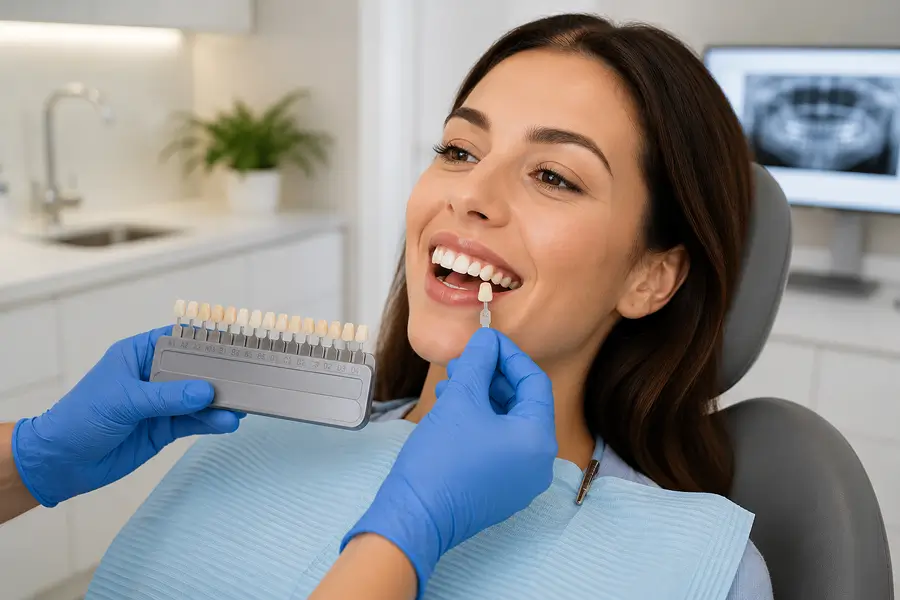
That’s not meant to scare you — implants are one of the most reliable, long-lasting restorative options in dentistry today. But their success depends heavily on what’s already happening in your bite before one gets placed.
Before Dr. Nichols places an implant, she evaluates how your teeth come together, where pressure is being distributed, the position of other teeth that may affect implant success, and whether your bite is set up to support — or work against — the restoration. In some cases, a small adjustment or some orthodontic prep work first can make a significant difference in long-term outcomes.
Treating the System, Not Just the Tooth
This is the heart of how care looks different at Lifestyle Dentistry.
Dr. Nichols’ approach — doing the right things, at the right time, for the right reasons — means treatment isn’t a one-step fix. It’s a process of understanding your full picture: your teeth and jaw, the alignment of your upper and lower jaws, your bite, your jaw alignment, and how everything works together over time.
That means:
- Looking beyond what’s visible on the surface
- Identifying patterns and imbalances before they become bigger problems
- Identifying potential dental issues before they become bigger problems
- Designing treatment that supports both how your smile looks and how it functions
Misaligned bites can lead to long-term dental complications, including tooth wear, sensitivity, and the need for restorations.
Because a beautiful result that doesn’t hold up isn’t really a beautiful result.
Questions Worth Asking Before You Start Treatment
If you’re considering orthodontics or dental implants in Smyrna or the greater Atlanta area, a few simple questions can help you make a much more informed decision:
Has my bite been evaluated — not just my tooth alignment? Many consultations focus on appearance. A comprehensive evaluation looks at function too.
How will this treatment affect my long-term function? Results that look great on day one but lead to discomfort or instability later aren’t the goal.
Are there underlying issues that should be addressed first? Sometimes the best first step isn’t the most obvious one. Be sure your provider evaluates your primary teeth, permanent teeth, and the alignment and symmetry of your central incisors, as these factors can impact both bite and aesthetics.
Is this plan designed for stability, or just aesthetics? Both matter. The best treatment plans account for both. In some cases, tooth removal or extraction of one or more teeth may be necessary, especially for patients with overcrowding, to create space and allow other teeth to move into proper alignment during orthodontic treatment in Smyrna.
Orthodontic Retention and Stability
Finishing orthodontic treatment is a big milestone, but keeping your new bite alignment stable is just as important. After braces—whether traditional braces, lingual braces, or clear aligners—retainers play a crucial role in holding your teeth and jaw in their new positions. Without consistent retainer use, teeth can gradually shift back, undoing your progress. Retainers can be fixed or removable, and your orthodontist will recommend the best option for your needs. Regular dental check-ups help monitor your bite alignment and ensure your teeth stay healthy and stable. By following your orthodontic treatment plan and wearing your retainers as directed, you can enjoy the benefits of a straight, properly aligned smile that supports your oral health for years to come.
A Truly Healthy Smile Looks Good and Feels Good
Straight teeth are a great goal — but they’re not the only one worth having.
A truly healthy smile is comfortable. It’s balanced. It functions well today and holds up over years. And when your bite is working the way it should, everything else tends to fall into place.
Ready to take a closer look at your bite?
If you’re exploring orthodontics or dental implants, the best place to start is with a comprehensive evaluation — not just a look at how your teeth appear, but a full picture of how your bite functions.
Dr. Aja Nichols and the team at Lifestyle Dentistry in Smyrna, GA are here to help you build a smile that’s as healthy as it looks. Schedule your consultation today.